Black Lives in Music: calls for government action on bullying and harassment in U.K. Music Industry
MPs have been told that government action is needed to tackle sexual harassment and abuse in the UK music industry - from near-naked casting videos to pressure to take drugs.
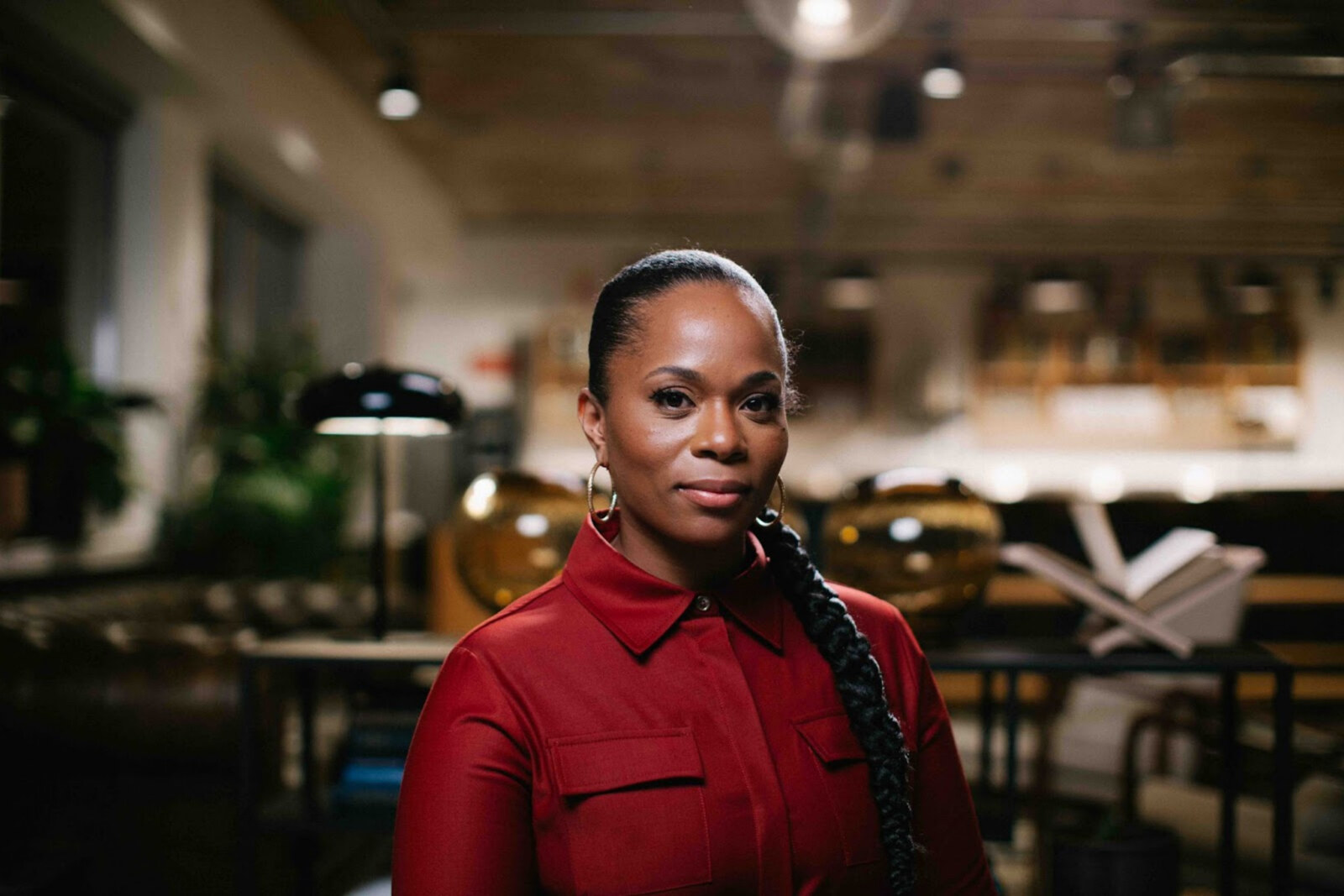
Charisse Beaumont, CEO of Black Lives in Music (BLiM), gave evidence today to the Women and Equalities Committee (WEC), citing multiple examples from their research into Bullying and Harassment in the UK music industry.
She was on a panel also featuring Laura Snapes, Deputy Music Editor, The Guardian; Lucy Cox, Freelance Soprano Singer; Celeste Waite, Singer/songwriter.
BLiM called on the Labour government to enact the recommendations of the WEC’s Misogyny In Music Inquiry - something the previous government did not do.
The Misogyny In Music Inquiry had asked ministers to take legislative steps to amend the Equality Act to ensure freelance workers have the same protections from discrimination as employees and bring into force section 14 to improve protections for people facing intersectional inequality. It also recommended the Government should legislate to impose a duty on employers to protect workers from sexual harassment by third parties, a proposal the previous Government initially supported and then rejected. The Government also failed to give assurances that it would extend the time limit for bringing Equality Act-based claims to an employment tribunal from three to six months as recommended by the Committee.
Charisse presented example responses to BLiM’s anonymous survey YourSafetyYourSay, which has helped amass evidence of Bullying and Harassment in the UK music industry.
“We have hundreds of stories from women of being harassed including sexually assaulted by male artists as well as promoters, people assaulting women in music education, participating in almost naked casting videos, young women pressured to drink and take drugs, who are then assaulted, male producers grooming young female vocalists” reports Charisse Beaumont.
“It’s rife in all genres, particularly classical music. 55% say they are currently experiencing bullying or harassment with over 78% having experienced bullying or harassment in their lifetime in their work. 50% say they have had an experience within the last 12 months. The general sentiment from one participant was: ‘I’m at a loss. I am so worn down by it all my enthusiasm or hope for change is depleted. Unfortunately, the UK Music industry is so small that I don’t hold out hope’.”
BLiM report that 71% of respondents feel bullying and harassment is accepted as being part of the industry they work in. 65% say tackling bullying and harassment is not a priority for their industry and only 29% feel there are people in their industry who will protect them. They say that NDA’s are frequently used to protect perpetrators and believe there is a normalisation of harassment and objectification of women, particularly Black women. These problems are underreported as women fear the consequences and lack of support.
To tackle this avalanche of negative activity, BLiM emphasised the importance of the new Creative Industries Independent Standards Authority (CIISA) to provide a place for victims/witnesses of bullying, harassment and discrimination to turn to for support. Companies can also sign up to BLiM’s own Anti-Racist Code Of Conduct and the EquiTrack reporting tool, which will collect real world diversity data and empowers organisations to combat discrimination and safeguard all workers in the industry.
“There is a saying that the music industry is like the wild west,” says Charisse Beaumont, “It is made up of 1000's of organisations and there’s no accountability. The creative industries is the only sector that does not have an Independent place to report poor standards of behaviour. We have Financial Conduct Authority, Food Services Authority, Ofsted in other sectors. We need government to move this now. Often there is no recourse or accountability, so reporting incidents is futile as those doing the bullying control the narrative. It’s happening under their watch and they are too powerful.
After becoming aware of shocking abuse, BLiM launched the anonymous survey to collect real world data, which will inform legislation and the work of CIISA.
Black Lives in Music (BLiM) gave evidence at the Misogyny In Music inquiry in 2023, the first inquiry of its kind. Set up by the Women and Equalities Committee (WEC), the report was released in January. It found that women pursuing careers in music face “endemic” misogyny and discrimination in a sector dominated by self-employment and gendered power imbalances.
On non-disclosure agreements (NDAs), the report cited distressing testimonies of victims “threatened into silence”, with WEC urging ministers to prohibit the use of non-disclosure and other forms of confidentiality agreements in cases involving sexual abuse, sexual harassment or sexual misconduct, bullying or harassment, and discrimination relating to a protected characteristic. The government plans to bring in such measures in higher education but did not support the Committee’s recommendation to do so for music or other sectors despite the compelling evidence presented by the Committee.
Read more
All articles →