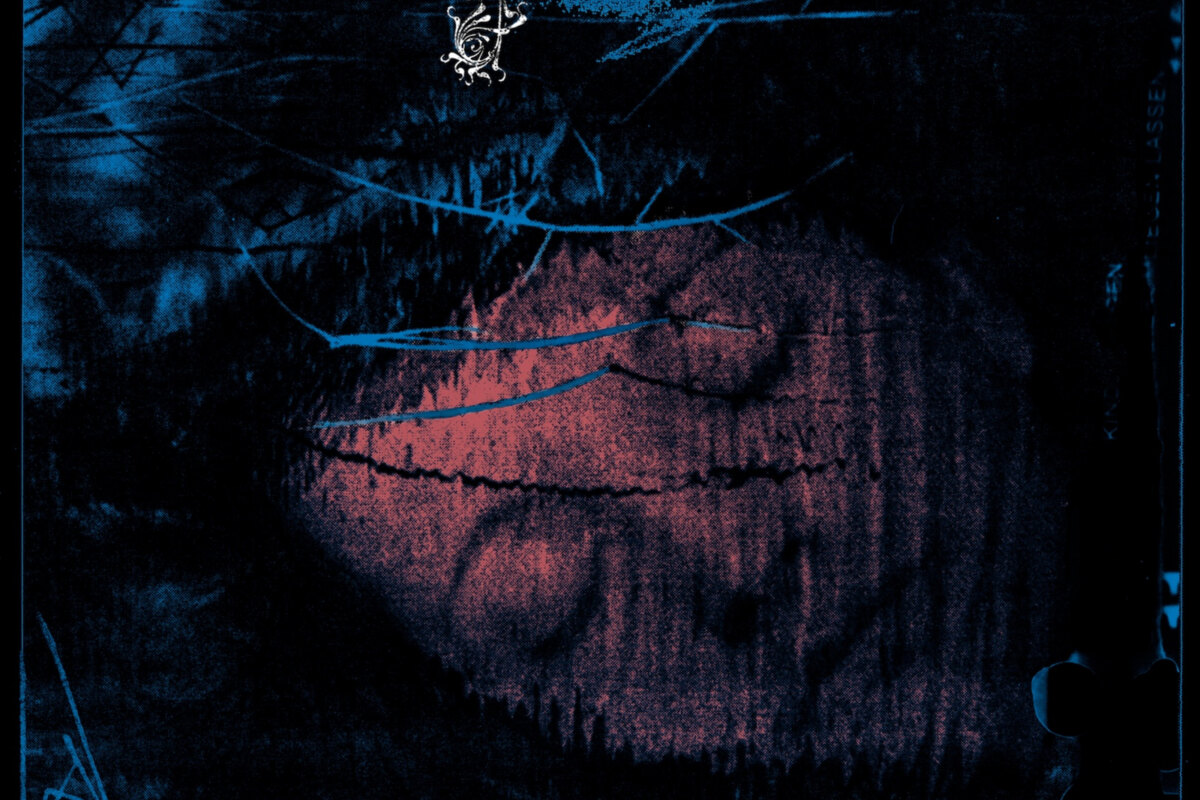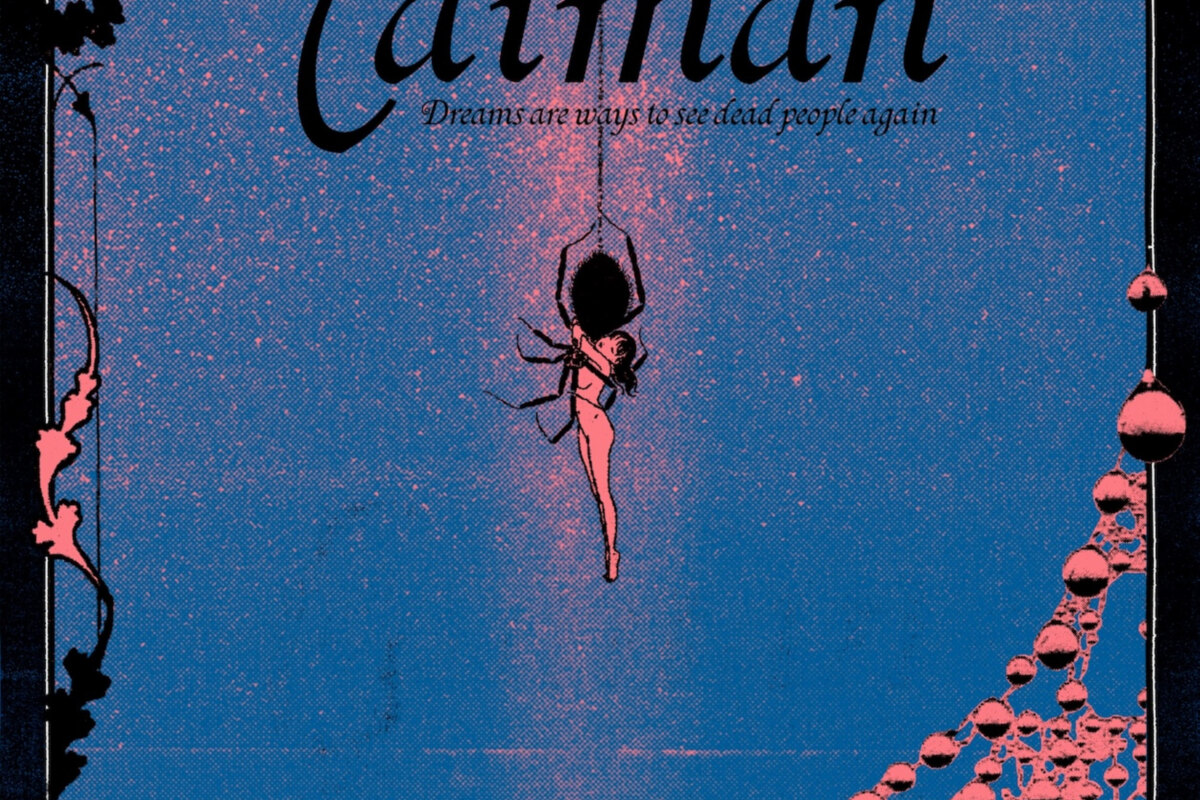
Caïman (folk / dream pop, France) announces new album "Dreamcore" out October 31st
Caïman delights in painting her songs as mystical spirals, weaving around themes of dreams, revolts, death, unconditional love, and resilience. She makes the shadows dance, those of an old house packed with memories, and calls upon our ghosts, without sadness, like an ode to life. With her enigmatic voice, vaporous guitar, and incandescent synths, she illuminates invisible worlds, inviting us to overturn dominant imaginaries, cast spells, join forces, blend our tears, face precipices, and take flight... Her music glides over and under the skin, carried by ethereal melodies that she delivers with a delicate closeness. On this record, Caïman draws from a wide range of influences, including Marika Hackman, Ora Cogan, Mazzy Star, Joni Mitchell, Clairo, and Emma Ruth Rundle. She draws just as much inspiration from the writings of French artists Mansfield Tya, Emily Loizeau, and Alain Damasio, as she does from blues and jazz (Mulatu Atsatké, Robert Johnson, Taj Mahal, Sister Rosetta Tharpe, Etta James), and from the junction between alternative rock and electronic music embodied by Radiohead, the band of her teenage years. The album was recorded and auto-produced at Locaux Rock in Valence and at home with Tommy Rizzitelli and Clément Soto, the two musicians that accompany Caïman on stage.
Forever walking a fine line between dream and reality, the intimate and the collective, Caïman opens doorways between worlds. She builds bridges between the dead and the living on the psychedelic dream-folk ballad « dreams are ways to see dead people again », takes off on a sensual and liberating road trip on « rouler-couler », and turns sensations into chills on the haunting « grand 8 ». She dedicates the song « roya » to Cédric Herrou and the Vallée de la Roya’s community, featuring the poetic voice of Chantal Esi Umuraza, who sings in Kinyarwanda, calling for peace and collective action. She also explores how deeply she is receptive to the shadows of others on the tracks « où vont les idées noires » and « saison des pluies », the latter composed in Rwanda during the short rainy season. Dreamcore closes with « nocturne », a song born in the deep of the night, for the little children of the witches they couldn’t burn.
Read more
All articles →